Home Gym Planning
Plan a gym that fits your space
The right home gym depends less on the equipment than on the room, the floor and what you train for. Start with your situation; each setup lists what to buy first, what can wait and what to check before ordering.
- 01
Measure the space
Floor area, ceiling height, what the floor can take and who is below you. These rule options in or out before budget does.
- 02
Choose a core
Dumbbells and a bench, or a rack, barbell, plates and a bench. Both build plenty of muscle; the barbell route is better for maximal strength.
- 03
Add the infrastructure
Flooring under the training area, storage before the floor fills up, and a platform if you deadlift and drop weight.
Setup 01
Apartment or small space
Most of what a serious lifter needs, in a few square metres and without upsetting the neighbours.
For: Renters, flats and any room where floor space, noise and dropped weight are the main constraints.
- Lower weights under control — no product fully silences dropped dumbbells on a suspended floor.
- Higher-rep sets taken close to failure keep lighter dumbbells productive for longer, so you can grow before you need heavier equipment.
- Check fixings before buying anything wall-mounted: many apartment walls are plasterboard.
Buy first
- Adjustable DumbbellsThe most training per square foot: presses, rows, lunges, hinges and arm work from one compact pair.
- Weight BenchesAn adjustable bench turns dumbbells into a full upper-body programme; choose a stable one over a folding one if you press heavy.
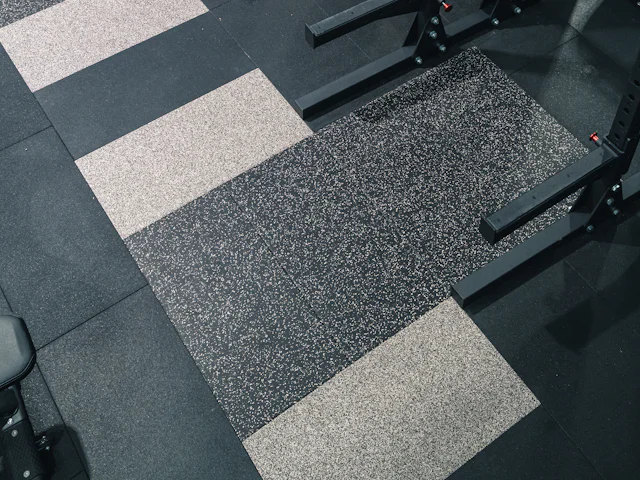
- Gym FlooringRubber tiles or a mat under the training area protect the floor and take the edge off impact noise.
Add later
Setup 02
Spare room or basement
A dedicated room changes what is possible — if the ceiling, floor and humidity allow it.
For: A spare bedroom, office corner or basement you can dedicate to training.
- Measure ceiling height first. Racks, overhead pressing and pull-ups all need clearance above your head.
- Basements can be humid: bare steel bars and plates rust without care, so finishes matter more there.
- Upstairs rooms favour dumbbells and machines over dropped barbell work.
Buy first
- Adjustable DumbbellsThe default core when the ceiling is low or the floor is upstairs.
- Squat RacksOnly if the ceiling allows it: measure for the rack, overhead pressing and pull-ups before ordering.
- Weight BenchesPairs with either route; a flat bench is enough for barbell pressing.
- Gym FlooringRubber over the whole training area; thicker where the bar comes down.
Add later
Setup 03
Garage gym
A concrete floor and room to load a bar: the natural home of barbell training.
For: Garages and outbuildings with a slab floor, where heavy barbell work and occasional drops are realistic.
- Concrete is forgiving, but rubber still protects bars, plates and the slab.
- Garages swing in temperature and humidity: choose bar and plate finishes that tolerate it, and wipe steel down.
- Check the clearance under an open garage door before buying a tall rack.
Buy first
- Squat RacksA rack with safety arms is what makes heavy squats and bench presses safe without a spotter.
- BarbellsA 20 kg multipurpose or power bar, chosen for your main lifts.
- Weight PlatesIron for strength work, bumpers if you will drop the bar.
- Weight BenchesA stable flat bench is enough for most barbell pressing.
- Gym FlooringStall mats or thick rubber tiles over the training area.
Add later
- Lifting PlatformsA designated surface for deadlifts and drops.
- Gym StoragePlate trees and bar holders before the floor fills with iron.
- Pull-Up & Dip StationsIf your rack has no pull-up bar, or you want dips.
- Cable MachinesFor the accessory work a rack and bar do less well.
- Lifting BeltsFor heavy barbell sets — a general-purpose leather belt is a good first choice.
Setup 04
Budget starter gym
Spend on the few things that let you train every muscle hard; add the rest as you progress.
For: Anyone starting out, or rebuilding a routine, who wants results before a big outlay.
- Progress does not require heavier equipment every month: adding reps at the same weight is a proven way to progress.
- Avoid machines that need a monthly subscription to be useful.
- Buy the core first and train with it for a few months before adding anything.
Buy first
- Adjustable DumbbellsA 50–55 lb set covers most beginner programmes; kettlebells are the alternative for conditioning-led training.
- Weight BenchesA solid flat bench is better value than a wobbly adjustable one.
- Pull-Up & Dip StationsA dip station or a wall-mounted bar covers the pulling and pushing that dumbbells do less well.
Setup 05
Strength-focused gym
Built around the squat, bench press and deadlift — and the safety to train them heavy alone.
For: Lifters whose priority is getting stronger on the barbell lifts, including powerlifting.
- Strength is specific: practise the barbell lifts you want to improve, two or three times a week.
- Rest at least two to three minutes between heavy sets; plan sessions with that time in mind.
- Spend on safety and stability first — the rack and its safeties, then the bar.
Buy first
- Squat RacksA power rack with safeties set just below the bottom of each lift.
- BarbellsA power bar or a stiff multipurpose bar for heavy, slow lifts.
- Weight PlatesEnough iron or bumpers for your deadlift, with small plates for progression.
- Weight BenchesA stable flat bench with a pad height that lets you plant your feet.
- Lifting PlatformsSomewhere to pull and lower heavy deadlifts without damaging the floor.
Add later
Setup 06
Hybrid: strength and conditioning
Lift and build fitness in one space, without the cardio getting in the way of the lifting.
For: Lifters who run or ride, hybrid athletes, and anyone who wants health-level aerobic training at home.
- Adding cardio rarely compromises muscle growth or maximal strength; it mainly blunts explosive strength, especially in the same session.
- If strength is the day's priority, lift first; separate the two by several hours when you can.
- Low-impact options such as rowing and cycling are easier to combine with heavy leg days than running.
Buy first
- Adjustable DumbbellsOr a rack and barbell if barbell strength is a priority.
- Weight BenchesThe pressing and rowing base of the strength side.
- Rowing MachinesLow-impact cardio that is easy to combine with leg training; a bike is the alternative.
- KettlebellsConditioning work that sits between lifting and cardio.
For any room
Flooring, platforms and storage
None of it makes you stronger directly, but it decides whether a training space stays safe, quiet and usable — in a garage, a basement, a spare room or a commercial gym.