How to Build a Home Gym, Step by Step
What a home gym actually needs for building muscle and strength, the order to buy equipment in, and how to plan space, flooring and storage.
The short answer
Start with what lets you train every major movement with progressive load: adjustable dumbbells and a bench, or a rack, barbell and plates. Add flooring early, then cables, cardio and storage as space and budget allow.
Resistance training builds muscle and strength with any equipment type, so buy for your space, safety and consistency — not for gimmicks.
Why equipment choice matters less than you think
The 2026 ACSM position stand found that equipment type did not consistently change training outcomes. What matters is that you can do enough hard sets, add load over time and train regularly — and that is what a good home gym makes easy.
National guidelines recommend muscle-strengthening on two or more days a week plus regular cardio, so a complete home gym covers both.
Two proven starting points
Both can build plenty of muscle. The barbell route is better for maximal strength; the dumbbell route fits apartments and spare rooms.
- Compact: adjustable dumbbells + an adjustable bench. Covers presses, rows, lunges, hinges and arms in a few square feet.
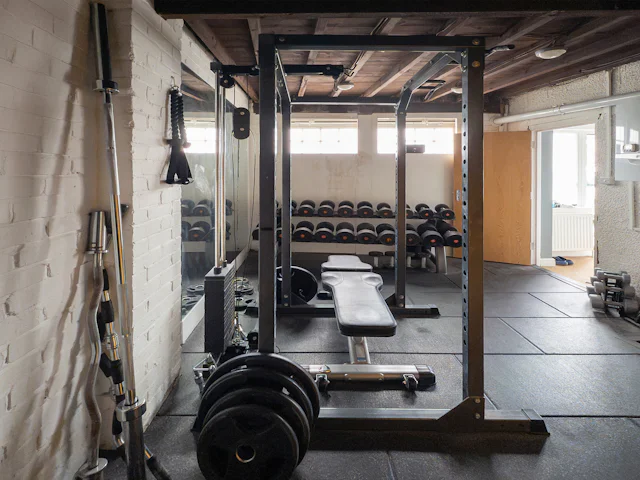
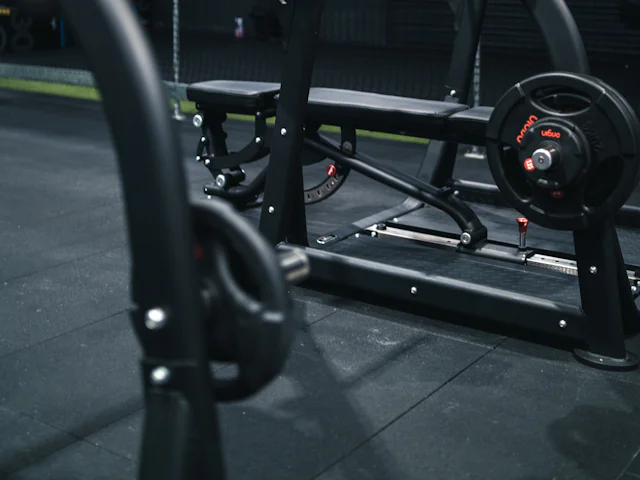
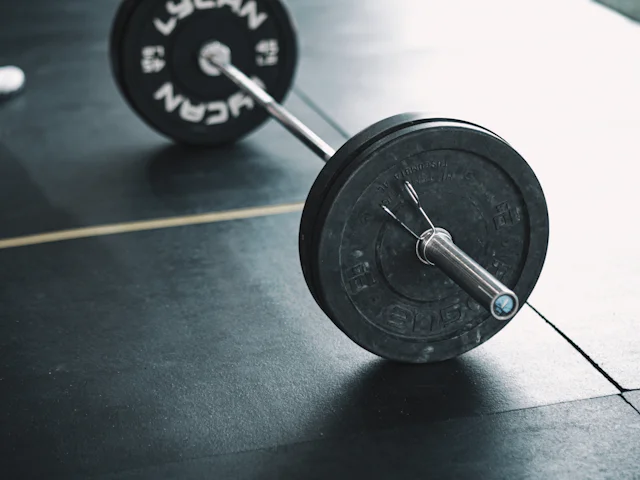
- Barbell: rack with safeties + barbell + plates + flat or adjustable bench. Best for heavy squats, bench and deadlifts.
What to buy, in order
- 1. The core: dumbbells + bench, or rack + bar + plates.
- 2. Flooring: rubber where weights are used.
- 3. A bench if you started with a rack (or a rack if you started with dumbbells and want to lift heavier).
- 4. Cable machine or functional trainer for back and isolation work.
- 5. One cardio machine you will actually use.
- 6. Storage, so the space stays safe and usable.
Plan the space before buying
- Measure ceiling height — racks and pull-ups need clearance above your head.
- Check the floor: concrete is forgiving; upstairs rooms need more protection and controlled lowering.
- Allow room around the bar: about 8 ft of width for a 7 ft barbell plus loading space.
Common mistakes
- Buying a cardio machine first and having nothing to lift.
- Skipping safeties on a rack.
- Ignoring ceiling height and floor protection.
Bottom line
Buy the core strength equipment first, protect the floor, then add cables, cardio and storage. Consistency in a simple gym beats a crowded garage you never use.
References
- [1] Currier BS, D’Souza AC, Fiatarone Singh MA, et al. American College of Sports Medicine Position Stand. Resistance Training Prescription for Muscle Function, Hypertrophy, and Physical Performance in Healthy Adults: An Overview of Reviews. Medicine & Science in Sports & Exercise. 2026;58(4):851–872. Position stand (overview of 137 systematic reviews) doi.org/10.1249/MSS.0000000000003897
- [2] Piercy KL, Troiano RP, Ballard RM, et al. The Physical Activity Guidelines for Americans. JAMA. 2018;320(19):2020–2028. National guideline (US Department of Health and Human Services) doi.org/10.1001/jama.2018.14854
This guide summarises published research for healthy adults. It is general information, not medical advice — if you have a health condition, injury or take medication, talk to a qualified professional before changing your training or supplements.