Does Cardio Kill Gains? Concurrent Training for Lifters
What a meta-analysis of 43 studies shows about combining cardio and strength training, and how to schedule both.
The short answer
For most lifters, cardio does not reduce muscle growth or maximal strength. It can blunt explosive strength gains, mainly when cardio and lifting are done in the same session.
What the evidence says
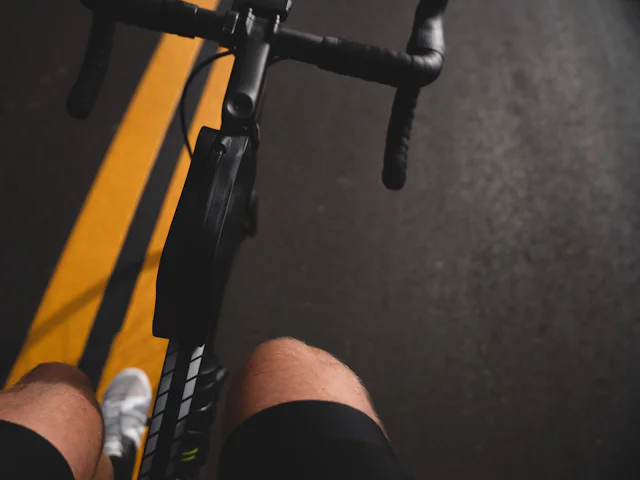
An updated meta-analysis of 43 studies compared concurrent aerobic and strength training with strength training alone. It found no compromise in muscle hypertrophy or maximal strength, but smaller gains in explosive strength — especially when both were done in the same session rather than at least three hours apart. Cycling versus running, frequency, training status and age did not change the result.
For aerobic fitness, both interval and continuous training improve VO2max; a meta-analysis found somewhat larger improvements with interval training.
How to combine them
- Separate cardio and lifting by a few hours, or do them on different days, if power and explosiveness matter to you.
- If they share a session, lift first.
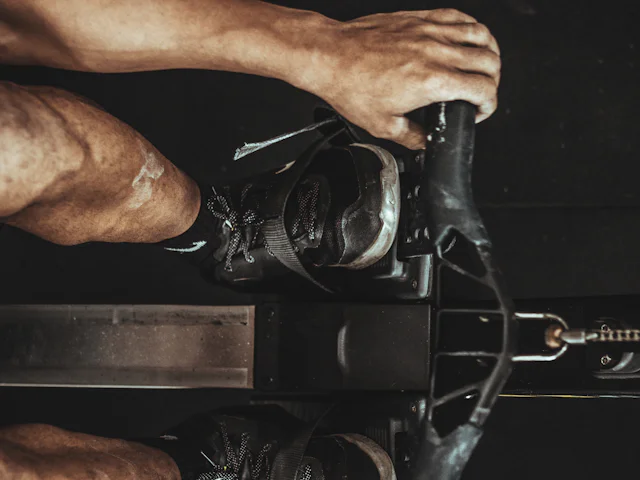
- Low-impact options (cycling, rowing, elliptical) are easier on the legs around heavy lower-body days.
- Build to the guideline of 150+ minutes of moderate activity a week.
Evidence: [3]
Common mistakes
- Skipping cardio entirely out of fear of losing muscle.
- Doing hard intervals right before heavy squats.
Bottom line
Do the cardio. Keep it separate from heavy lifting when you can and it will not cost you muscle or strength.
References
- [1] Schumann M, Feuerbacher JF, Sünkeler M, et al. Compatibility of concurrent aerobic and strength training for skeletal muscle size and function: an updated systematic review and meta-analysis. Sports Medicine. 2022;52(3):601–612. Systematic review and meta-analysis doi.org/10.1007/s40279-021-01587-7
- [2] Milanović Z, Sporiš G, Weston M. Effectiveness of high-intensity interval training (HIT) and continuous endurance training for VO2max improvements: a systematic review and meta-analysis of controlled trials. Sports Medicine. 2015;45(10):1469–1481. Systematic review and meta-analysis doi.org/10.1007/s40279-015-0365-0
- [3] Piercy KL, Troiano RP, Ballard RM, et al. The Physical Activity Guidelines for Americans. JAMA. 2018;320(19):2020–2028. National guideline (US Department of Health and Human Services) doi.org/10.1001/jama.2018.14854
This guide summarises published research for healthy adults. It is general information, not medical advice — if you have a health condition, injury or take medication, talk to a qualified professional before changing your training or supplements.